
A dry hairpin with a clean view through the exit asks one question. A blind hairpin, tightening uphill on broken tarmac with a cyclist somewhere beyond the stone wall, asks several at once. That is the reality of an alpine road challenge. It is not about arriving at the summit with the biggest story. It is about reading the surface, placing the car accurately and keeping enough margin for what the mountain has not shown you yet.
For drivers who enjoy a proper connection with a machine, the Alps offer some of Europe’s most rewarding roads. They also expose lazy inputs, poor preparation and misplaced confidence very quickly. Altitude, weather and changing road conditions turn a familiar idea of performance on its head. Power matters, but judgement matters more.
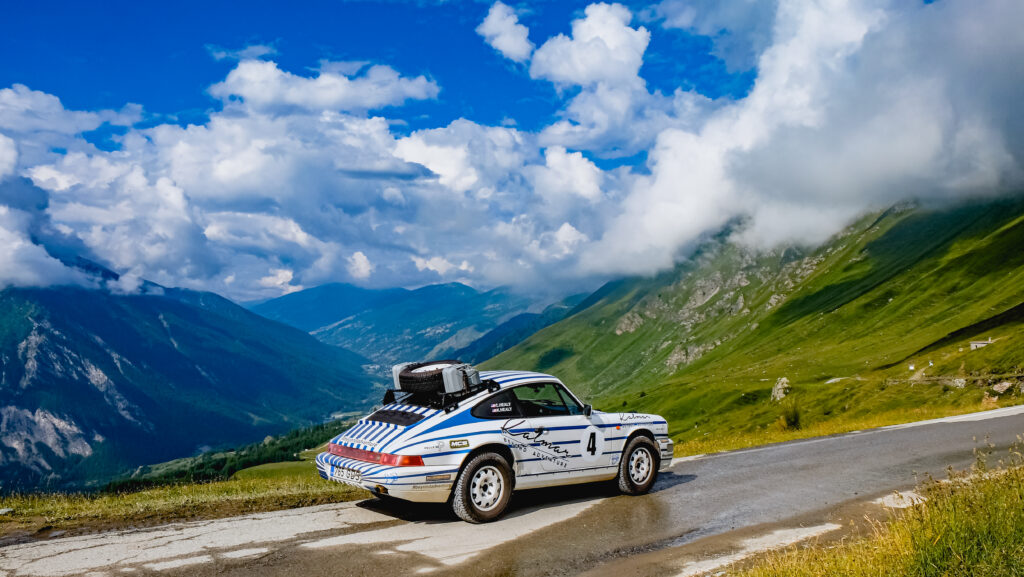
Why an alpine road challenge is different
Mountain roads compress the work of driving into every kilometre. There are few long straights in which to reset. A corner may arrive immediately after a crest, a tunnel may leave the road damp long after the sun has dried the valley, and the surface can change from smooth asphalt to loose gravel at the edge of a hairpin. The scenery is exceptional, but it is not the main event. The road deserves your full attention.
The most demanding sections are rarely the fastest. A narrow pass with irregular camber can be more involving than a broad, well-sighted sweep. You need to manage steering, braking and throttle without upsetting the car, while making decisions with incomplete information. That is where a capable chassis, clear feedback through the controls and a driver who listens to it become a very good combination.
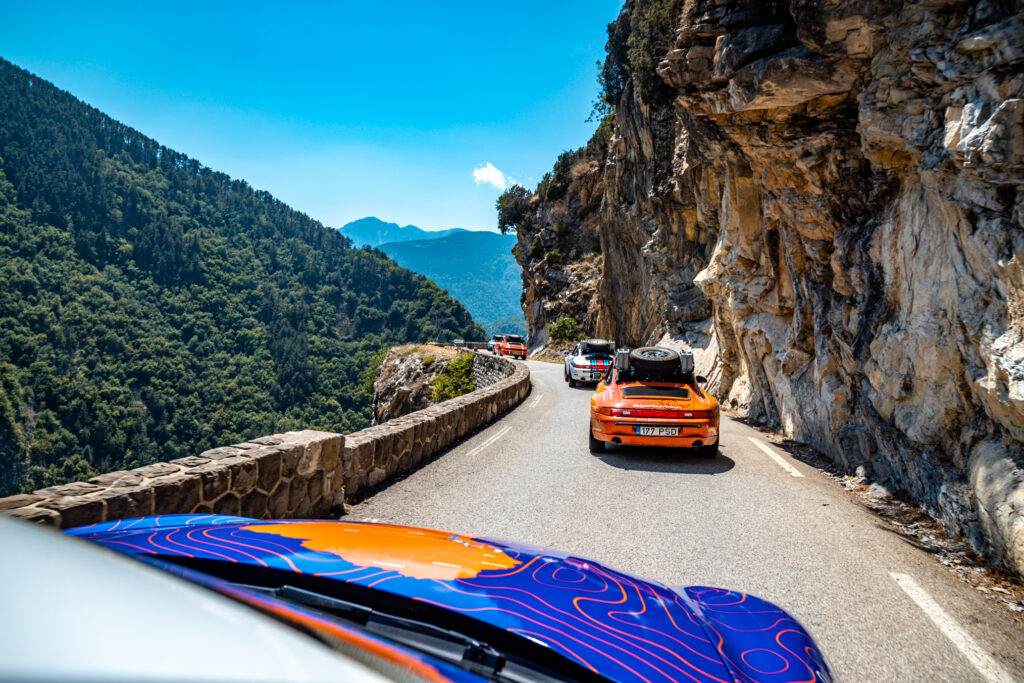
There is also the question of traffic. Mountain roads are shared spaces, not private circuits. Local drivers know every bend. Motorcyclists can appear quickly, cyclists climb at their own pace and agricultural vehicles use the same tight sections. A serious driver respects this reality. Smooth progress is more satisfying than an aggressive attempt to prove something, and it leaves room for the unexpected.
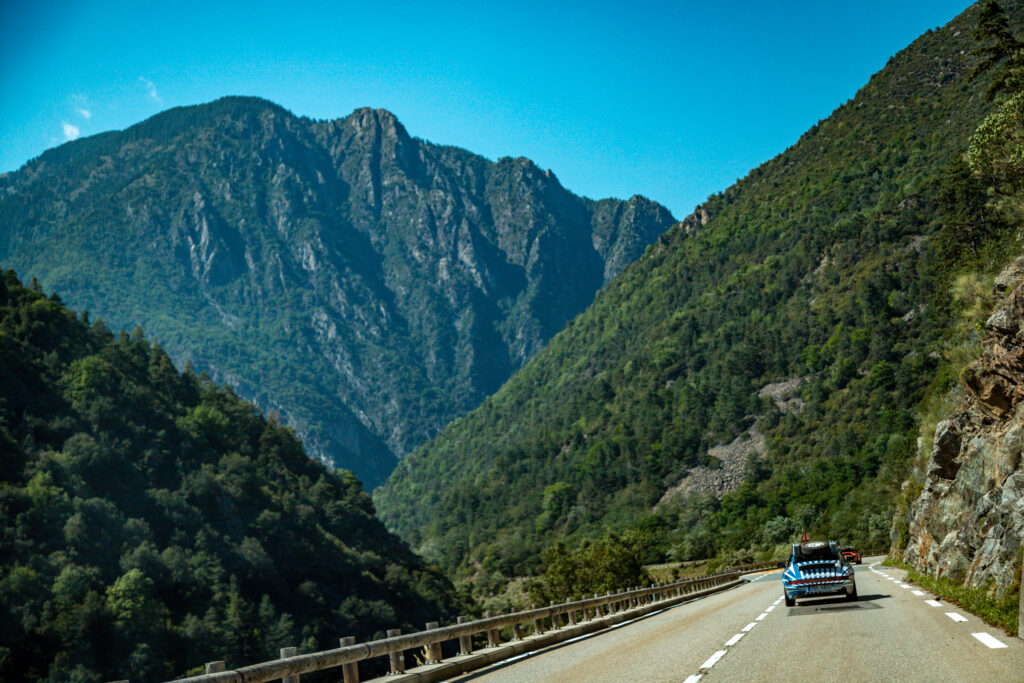 The mountain changes the rules
Weather is not a background detail in the Alps. It is part of the route. A clear morning can become heavy rain at altitude, while shaded north-facing sections may remain cold and slippery long after the lower roads have warmed. In early or late season, snow and ice can make a pass unavailable with little warning.
Brakes and tyres work harder too. Long descents build heat, especially when the car is carrying luggage or travelling at a committed pace. The correct response is not simply to press the brake pedal harder. It is to use engine braking, select the right gear before the descent steepens and avoid turning every corner into a late-braking exercise. A driver who arrives at the bottom with a settled car and a consistent pedal has managed the mountain properly.
Altitude affects people as well as machines. Concentration fades when a day becomes long, conditions change and each corner requires thought. That is why well-planned driving days matter. The objective should be enough distance to feel the route, not so much that the final pass becomes an endurance test undertaken when attention is already spent.
 The car must earn its place
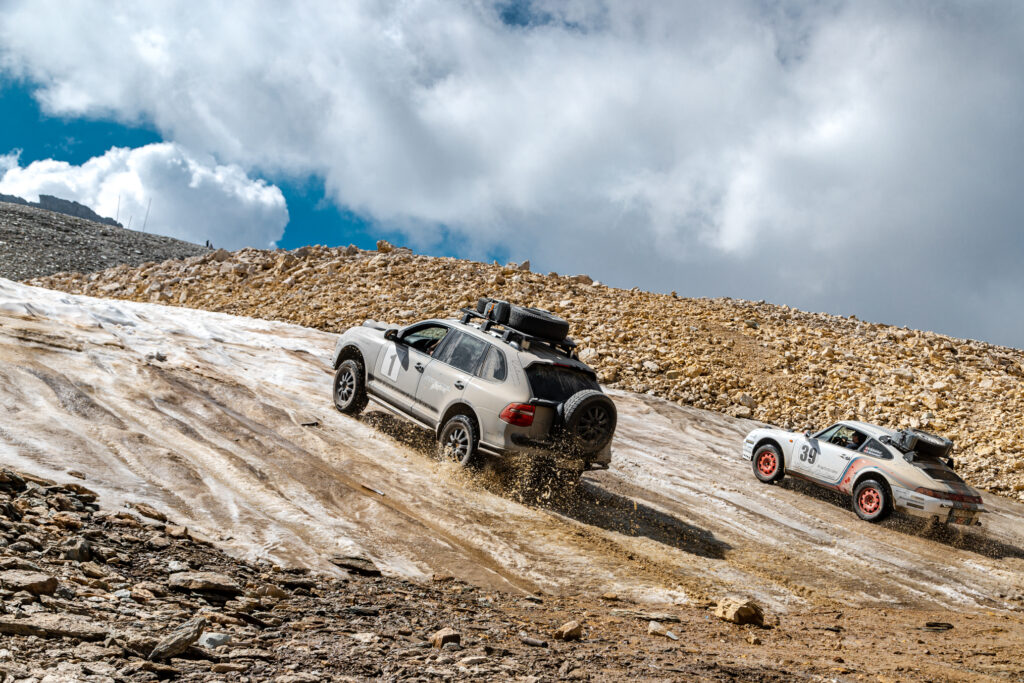
An alpine route does not demand a particular badge or an endless specification sheet. It demands a car that has been prepared honestly for the conditions. Ground clearance may matter where a pass has rough edges or an unpaved approach. Tyre choice affects steering feel, braking confidence and resilience. Suspension needs control over broken surfaces without making the car nervous or exhausting over a full day.
A KALMAR prepared Porsche is built around that balance. It should feel precise on a flowing paved climb, remain composed when the surface deteriorates and give the driver useful information rather than hiding the road entirely. The aim is not to make a car invulnerable. No car is. The aim is to give it the range to deal with the route while retaining the involvement that makes driving worthwhile.
Preparation begins before the key turns. Tyre condition, pressures, brake wear, cooling systems and underbody protection deserve proper attention. So do recovery points, communications and the equipment required for a sudden weather change. These are not glamorous details, but they determine whether a difficult section is a memorable challenge or an avoidable interruption.
For owners joining in their own car, suitability is always route-specific. A car that is excellent on dry, smooth passes may not be the right tool for a route that includes high gravel tracks, deep ruts or remote border sections. Being realistic about that is not cautious marketing. It is respect for the car, the route and everyone travelling with you.
Driving the pass, not fighting it
The strongest mountain drivers look calm because they are working early. They reduce speed before the corner, select a gear that keeps the engine responsive and turn the car once, cleanly. They do not chase every apex if visibility is limited, and they do not use all of the road simply because it is available. On a mountain pass, the line must leave a margin for a broken edge, an oncoming vehicle or debris washed down after rain.
Vision is the foundation. Look through the corner where possible, then further ahead than feels natural. On a sequence of hairpins, identify the next road position before completing the current turn. This keeps inputs measured and prevents the common mistake of arriving at a bend already busy with steering, braking and correction.
Throttle use needs the same patience. In a powerful rear-engined car, a fraction too much throttle on a tightening corner can shift the balance quickly, particularly on a damp or uneven surface. The answer is not fear of the throttle. It is deliberate application. Build power as the steering unwinds and let the car move forward rather than trying to force it out of the corner.
There are times to press on, but they are earned by sightlines, surface knowledge and conditions. A broad, dry section with clear visibility gives more opportunity than a blind one-lane road under trees. The mountain does not reward a fixed pace. It rewards adapting your pace to the information available.
 Why support changes the experience
A demanding route should feel free, not unsupported. Those are different things. The best expeditions leave space for the driver to make decisions, absorb the road and enjoy the company of a small group. Behind that apparent simplicity should sit serious planning: route reconnaissance, weather alternatives, mechanical capability, recovery arrangements and medical support.
This preparation changes what is possible. It allows an expedition to go beyond the obvious passes and into roads where conditions may be less predictable, without treating risk as entertainment. If a section becomes unsafe or a route closes, the team needs options that preserve the character of the day rather than merely sending everyone to the nearest main road.
Group size matters here. A maximum of 12 participants keeps the experience personal and the logistics manageable. It also makes the driving better. You spend time with people who understand why a damp, empty pass at first light can be more valuable than another staged photo opportunity. Conversations after a hard day behind the wheel tend to be better when everyone has genuinely shared the same challenge.
What the Alps reveal about a driver
The alpine road challenge is ultimately a test of restraint. Anyone can use acceleration on a straight. Fewer drivers can remain composed when the road narrows, the rain begins and the next corner disappears behind a rock face. That composure is not about driving slowly. It is about driving with enough awareness to be fast only when fast makes sense.
A well-driven mountain road stays with you because it asks for something real. You remember the changing light on the climb, the weight settling into a downhill hairpin, the moment the car finds grip again on a rough surface. You remember it because you were fully present for every mile.
Choose roads that demand your attention, prepare the car for what lies beyond the last tidy stretch of tarmac, and leave enough margin to enjoy the next corner properly. The best passes do not need to be conquered. They need to be driven well.
