
Stop Saving the 911 for Sunday
There is nothing wrong with taking your 911 out on a Sunday morning, finding an empty road and enjoying a few good corners.
But what happens when you keep going?
When the tarmac disappears. When the road turns into gravel, then sand, then something you are not quite sure should be called a road at all. When the weather changes, the distance gets longer and the day behind the wheel starts to matter more than the destination.
That is where things get interesting.
At KALMAR, we build cars to be driven. Properly driven. Not parked outside a hotel and admired over coffee.
Our adventures are built around that idea.
 It Starts With the Car
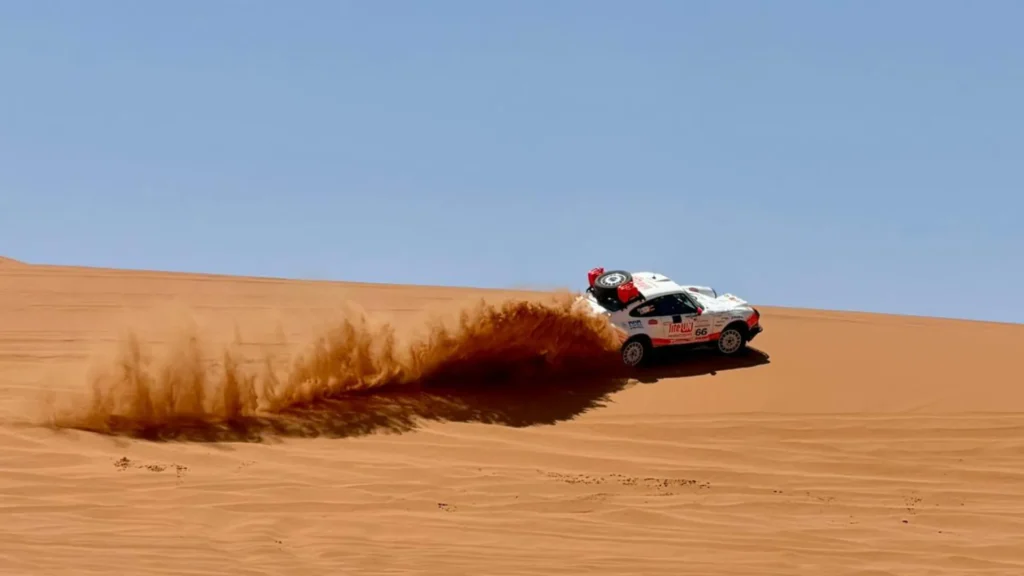
A KALMAR car is not built simply to look ready for somewhere difficult. It has to work when things get difficult. That means suspension that can take repeated impacts, protection underneath, the right wheels and tyres, enough cooling, sensible ground clearance and a setup that still feels like a 911 when you are back on the road.
Because that is the point.
We don’t want to turn a 911 into something else. We want to take what makes a 911 so good and make it useful in places where a normal 911 would probably rather not go.
And then we take it there.
The Road Gets Better When It Gets Worse
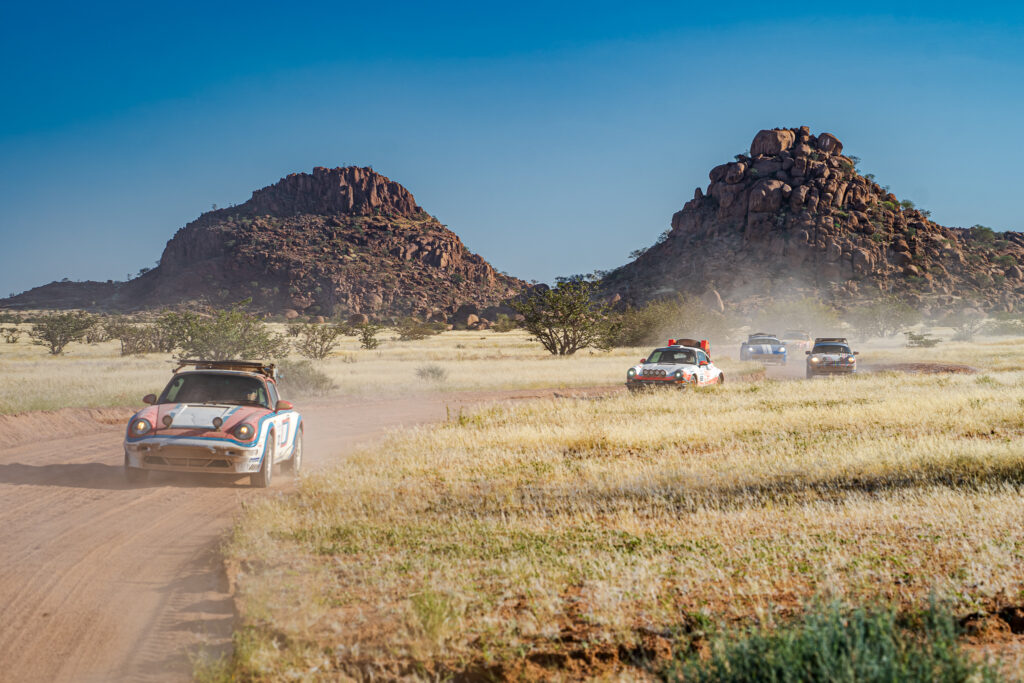
A perfect mountain road is great. So is a fast section of gravel with nothing around for hundreds of kilometres. A narrow track through the mountains. A desert piste where you have to pick your line carefully. Snow and ice where the usual rules suddenly change.
The interesting part is that none of it is predictable.
You stop driving from memory. You start reading the road.
Where is the grip? How deep is that rut? Can I carry the momentum through the sand? What is around the next corner? Is that surface going to change again?
You are not thinking about your phone. You are not thinking about emails. You are thinking about driving. And that is becoming surprisingly rare.
 This Is Not About Going Fast
Sometimes it is. But most of the time, it isn’t.
The best days are not necessarily the ones with the highest average speed. They are the ones where you get out of the car at the end of the day and realise you have been concentrating for eight hours without once thinking about the time.
You remember one particular corner. A section of loose gravel. A mountain pass. The moment the rear stepped out and you caught it. The road that seemed impossible on the map and turned out to be the best road of the trip.
Those are the things that stay with you.
Why We Don’t Just Pick a Nice Route
Because anyone can do that.
A KALMAR Beyond Adventure route is built around the driving. We look for roads that make you work a little. Places where the scenery is spectacular, certainly, but where the road itself is worth travelling for.
Sometimes that means crossing a mountain range.
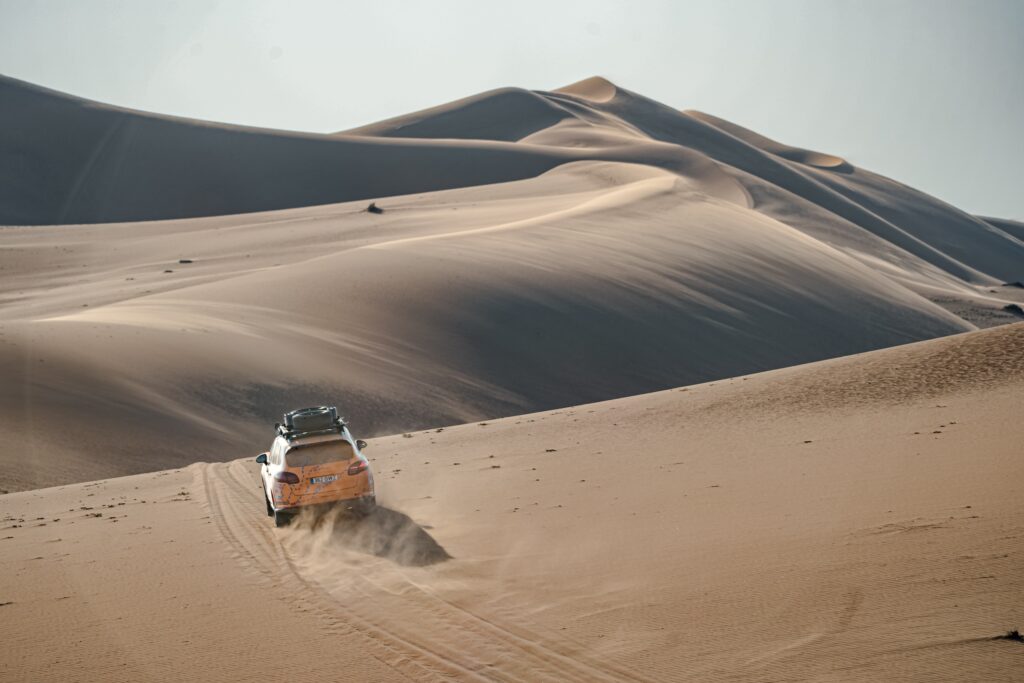
Sometimes it means spending days in the desert.
Sometimes it means taking a Porsche onto a frozen lake and deliberately making it go sideways.
The location changes. The idea doesn’t.
We start where the others stop.
 Preparation Makes the Difference
There is nothing particularly adventurous about getting stuck because nobody checked the fuel range. Or destroying a tyre because nobody brought the right equipment. Or discovering halfway through a remote section that the car was never properly prepared for it. We don’t leave those things to chance.
Routes are checked. Cars are prepared. Tyres are chosen for the conditions. Support and recovery are planned. The team knows the terrain.
Not because we want to make the experience soft.
Quite the opposite. Good preparation means you can concentrate on the interesting part — driving.
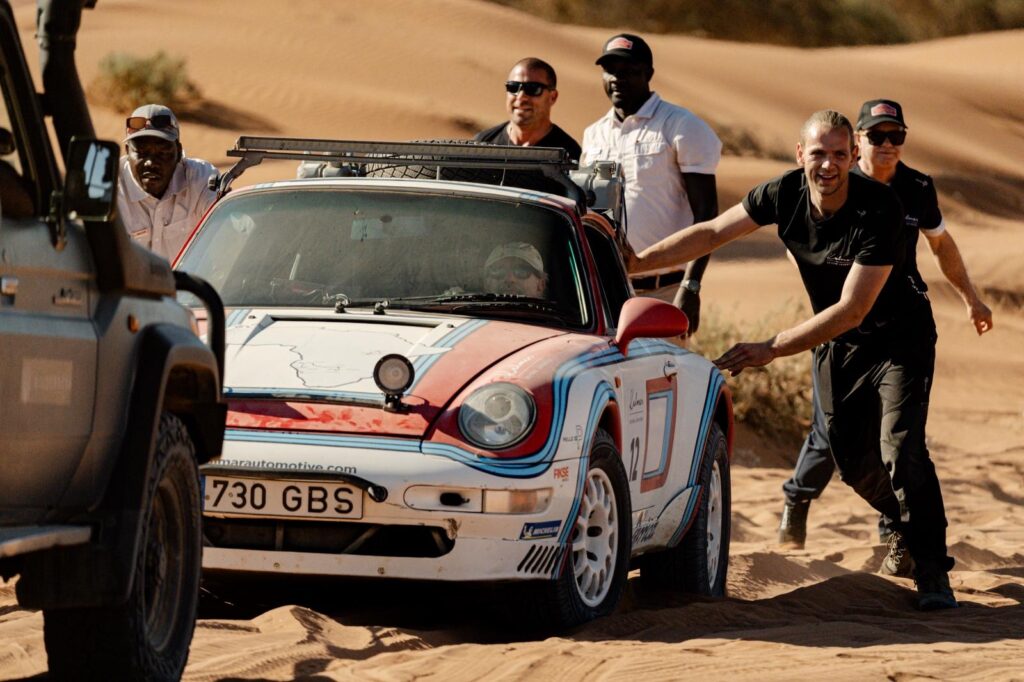
And yes, things still happen. Cars get stuck. Tyres get damaged. Weather changes. Plans move.
That’s part of it. The difference is knowing there is a team behind you when it does.
Bring Your Own 911
Some adventures are run with KALMAR-prepared cars. Others are open to owners bringing their own cars, depending on the route and specification.
Because a car that is perfect for one environment may not be right for another.
A desert trip is not an ice rally. A mountain route is not a 5,000-kilometre expedition.
The car needs to suit the job. And so does the driver.
The People Matter Too
We prefer small groups. Not because small numbers sound exclusive, but because they make the driving better.
You can move properly. You can stop when you want. You can change the route when the weather changes. Everyone knows everyone else’s car. And at the end of the day, you have a group of people who have actually experienced the same thing.
Nobody needs to explain why they spent the afternoon getting a Porsche sideways on ice. They were there. That usually makes for better conversations over dinner.
And Then You Come Home
This is probably the strange part. After thousands of kilometres, dust, mud, stone chips, heat, cold and whatever else the route decided to throw at you, the car means more than it did before. Not less. You know it better.
You know what it does when the surface changes. You know how it feels when the tyres start to lose grip. You know how much you can ask from it — and when you shouldn’t.
And suddenly that small mark on the bodywork isn’t something to worry about. It reminds you where you’ve been. That’s what we are after. Not collecting kilometres for the sake of it. Not taking a Porsche somewhere difficult just so we can say we did.
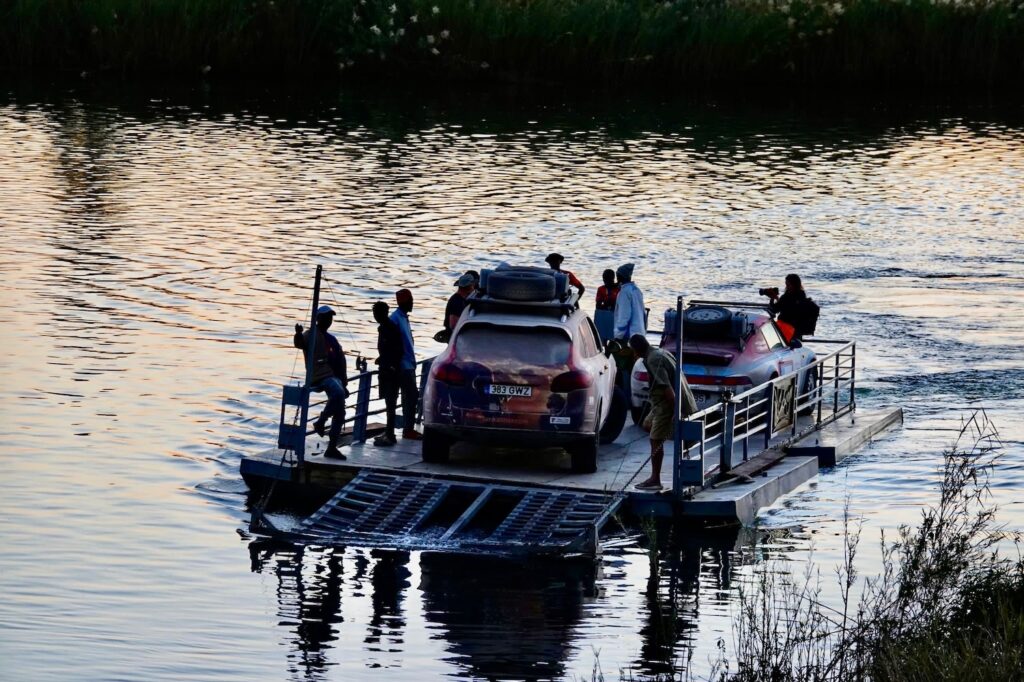
We build the cars. We find the roads. Then we go and drive them.
Because a 911 sitting in a garage can stay perfect forever.
We’d rather see what happens when you actually use it.
