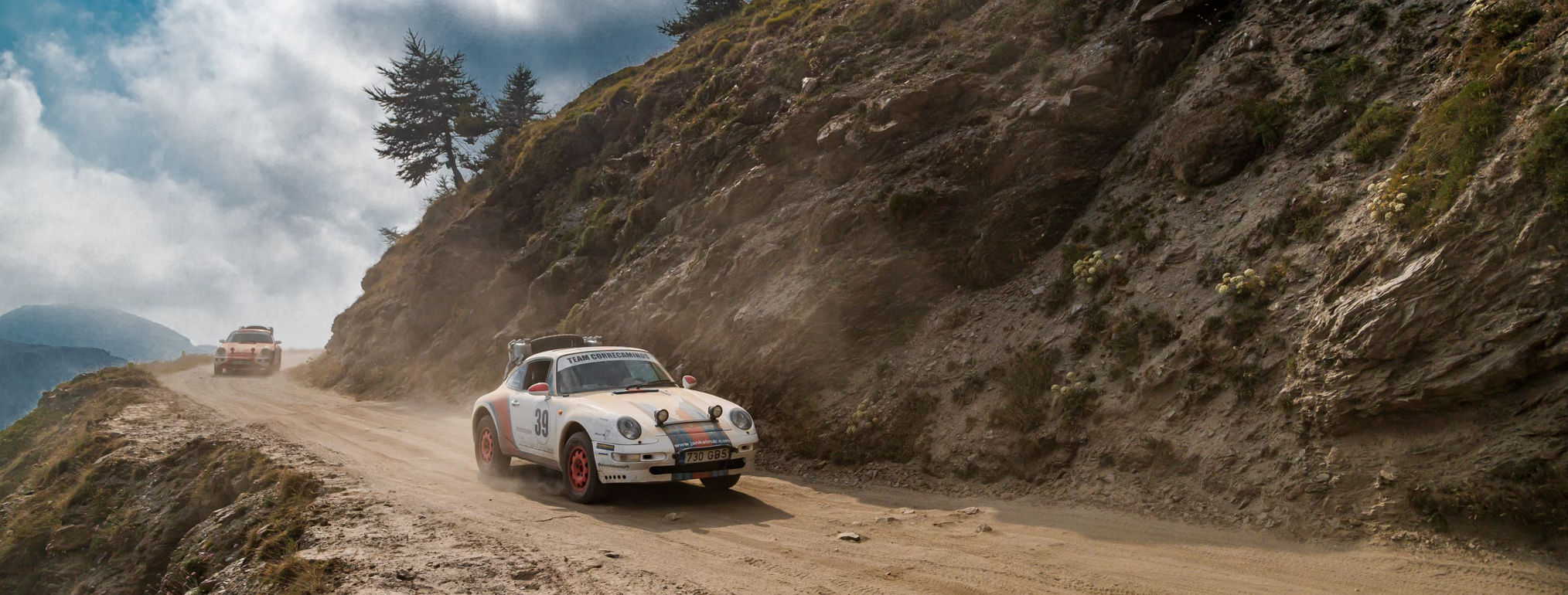
Rally Style Driving Experience
For drivers who already understand the appeal of a well-sorted machine, the distinction matters. A scenic road trip can be pleasant. A track day can be exhilarating. Neither quite captures the unique combination of technical engagement, route strategy and environmental immersion that defines rally-inspired driving in the real world. The best versions of it bring together performance, remoteness and a level of planning that allows the driver to focus on the road ahead.
What a rally style driving experience really means
At its core, a rally style driving experience is about driving with purpose over varied terrain. Gravel, broken tarmac, mountain passes, forest roads and open desert tracks all ask different questions of the car and the person behind the wheel. The pleasure comes from reading the surface, placing the car accurately and maintaining flow when conditions are far from uniform.
The road is not merely a backdrop for the vehicle. It is an active part of the experience. Cambers matter. Loose surfaces matter. Visibility, weather and elevation matter. Every corner asks for judgement rather than routine. For an enthusiast, that creates a more complete form of driving.
It also carries a certain discipline. Rally style does not mean reckless. The most rewarding adventures are built on control, mechanical sympathy and respect for the terrain. Pace has its place, but composure matters more. A skilled driver in this environment is not showing off. He or she is working with the road, the car and the conditions.
Why enthusiasts are drawn to rally-style driving
A great many premium automotive experiences are polished to the point of detachment. They offer speed, comfort or prestige, but little in the way of genuine involvement. Rally-style driving appeals because it returns the driver to the centre of the experience.
There is a physicality to it that even exceptional road cars can mask on smooth asphalt. Steering input becomes more meaningful. Weight transfer becomes easier to feel. Vision and anticipation improve because they have to. The driver is not simply operating a fine object. He is engaging with it.
For many owners and collectors, that is increasingly valuable. Modern performance cars are astonishingly capable, yet often insulated. A rally-inspired journey restores texture. It reminds you that traction is something to manage, not assume. It reconnects performance with terrain.
There is also the question of access. Some of the world’s most memorable roads are not pristine alpine ribbons leading to crowded viewpoints. They are remote, imperfect and occasionally unforgiving. Reaching them requires more than a grand tourer and a hotel booking. It requires the right vehicle, the right support and a route designed around substance rather than convenience.

The car changes everything
A rally style driving experience is only as convincing as the vehicle beneath you. This is where many imitation offerings fall short. A powerful road car with cosmetic off-road details may look the part in photographs, but the reality of rough terrain exposes every compromise.
The right car for this format needs more than performance credentials. It needs suspension travel, ground clearance, durability and a chassis that remains communicative when the road loses consistency. It must be fast enough to feel alive, but robust enough to absorb punishment over long distances. Just as importantly, it must retain the character that makes the drive memorable.
That balance is rare. Too much softness and the car feels vague. Too much focus on outright pace and the adventure narrows into something brittle and tiring. The best rally-inspired machines combine precision with resilience. They encourage confidence rather than caution.
For drivers with a strong appreciation for engineering, this is part of the appeal. The experience is not only about scenery or exclusivity. It is about understanding what a thoughtfully developed car can do when removed from the predictable environments for which most modern motoring is designed.
A rally style driving experience depends on route design
The route is not an administrative detail. It is the product.
Anyone can plot a line between attractive destinations, but a genuine rally style driving experience depends on curation at a much higher level. The best routes create progression. They balance technical sections with open stages, demanding terrain with recovery stretches, and dramatic landscapes with practical timing. They account for weather shifts, fuel range, visibility and driver fatigue.
This is where expert planning becomes indispensable. The difference between a memorable expedition and an expensive inconvenience often comes down to details that are invisible to the guest. Road conditions can change overnight. Border procedures can delay a convoy. Surface quality may alter after rain. A strong route plan includes alternatives, support strategy and realistic pacing.
That planning should also preserve the emotional arc of the journey. A great driving day has shape. It builds anticipation, delivers challenge, then allows space to absorb where you are and what you have just driven. If every hour feels equally intense, the experience flattens. If the route becomes too cautious, it loses credibility.

Support is what makes remote driving feel effortless
The romance of self-sufficiency has limits. On a true expedition through isolated regions, support is not a luxury add-on. It is what allows the experience to remain focused, refined and safe without becoming soft.
Mechanical back-up, luggage logistics, navigation guidance and on-route expertise remove the friction that would otherwise dominate the trip. That matters especially for drivers who value their time. The point is not to spend a year organising permits, recovery plans and accommodation chains. The point is to arrive and drive with confidence.
Done properly, support should never feel intrusive. It should feel precise. The best operations understand when to step in and when to remain discreet. They protect the standard of the journey while preserving the sense of freedom that makes adventure worthwhile.
Hospitality matters here as well. After a long day on loose surfaces and mountain roads, comfort is not an indulgence. It is part of the rhythm. The best lodges, exceptional food and a well-run evening reset the mind for the next stage. The contrast between rugged driving conditions and refined accommodation is not contradictory. It is exactly what gives the experience its depth.
Not every driver wants the same thing
That is one of the more interesting truths about this category. Some guests are drawn to the technical challenge and want as much seat time as possible. Others are equally serious about driving, but place greater value on scenery, photography, companionship and the overall expedition atmosphere.
Neither approach is more authentic. The right balance depends on the individual, the group and the region. A demanding day in the mountains may be exhilarating for one driver and draining for another. Long gravel stages can be deeply rewarding if the car and route suit them, but relentless roughness can also diminish the sense of occasion.
A premium experience should acknowledge that nuance rather than force every participant into the same mould. Pace groups, clear briefings and thoughtful daily structure all help. So does an honest understanding of what the trip is meant to be. A rally-inspired expedition is not a race. It is a highly curated form of driving adventure.
Why this format has lasting appeal
A rally style driving experience endures in the memory because it engages more than one instinct at once. It satisfies the enthusiast’s desire for mechanical involvement, the traveller’s appetite for remoteness and the collector’s appreciation for rarity. It feels earned.
There is also a cultural element to it. Rally-inspired driving carries a spirit of ingenuity and exploration that polished resort motoring cannot replicate. It suggests movement beyond the obvious, and a willingness to seek out roads that are memorable precisely because they are imperfect.
For KALMAR Beyond Adventure, that makes the category especially compelling. It aligns engineering credibility with a more expansive idea of luxury, one rooted in access, judgement and experience rather than display alone.
The real attraction, though, is simpler. On the right road, in the right car, with the right support around you, driving regains its edge. The world feels larger, the machine feels sharper, and your own inputs matter again. For anyone who still believes motoring should stir something more than convenience, that is reason enough to go further.