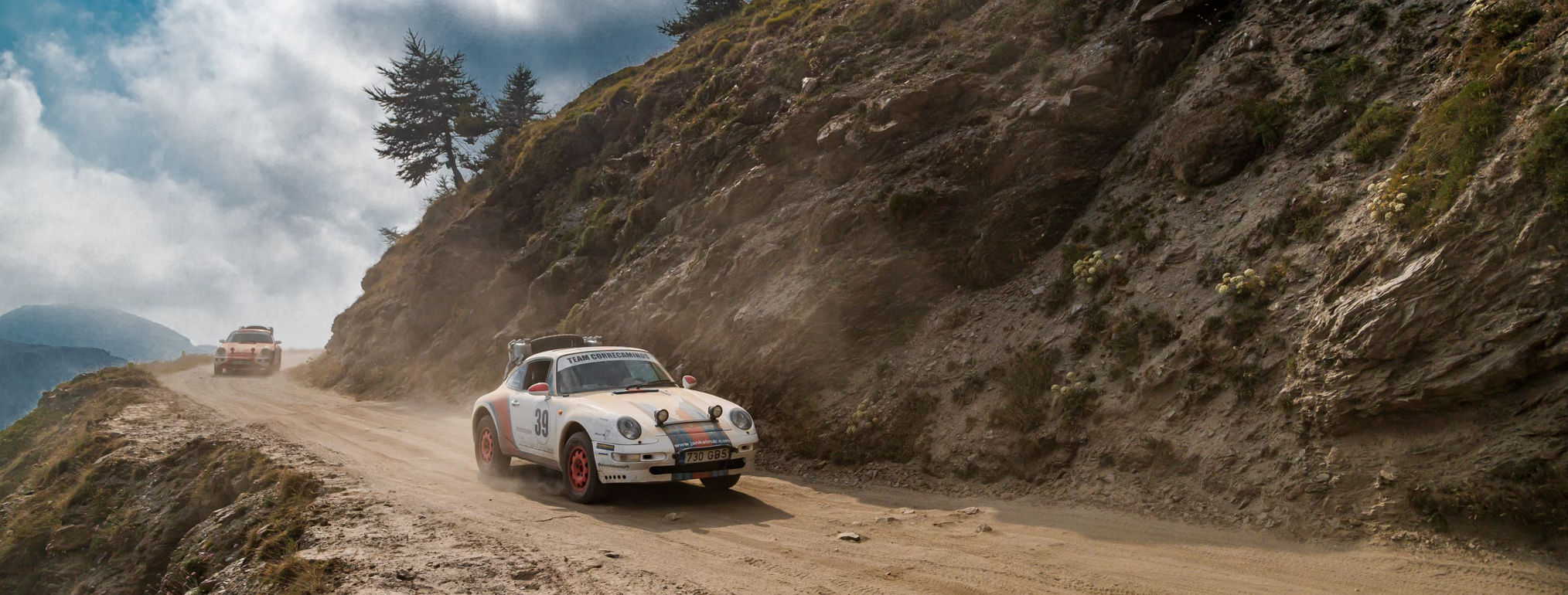
A guided driving tour works by removing the stress of planning while keeping the sense of freedom and focus that serious drivers care about most. It combines route design, vehicle preparation, small-group dynamics, and on-the-ground support into a single, engineered experience rather than a simple convoy with hotel bookings.
How guided tours run end to end
A well-run guided driving tour starts long before anyone turns a key. The operator designs a route around roads that are worth driving for their own sake, checks fuel range and surface conditions, selects accommodation for character and comfort, and builds a support structure for when things change.
Guests usually receive a pre-departure briefing covering itinerary, climate, road conditions, packing guidance, and vehicle suitability, especially if the terrain includes gravel, altitude or remote sections. On arrival, an opening briefing sets tone and expectations: where the group is going, how each day will flow, and who is responsible for support, without making the experience feel over-managed.
The route as the real product
In premium driving travel, the route is the central product, not just a line between two hotels. The best guided driving tours are built around roads with rhythm, variation and purpose—mixing fast, flowing sections, more technical stretches, and well-timed pauses so the day feels balanced rather than exhausting.
Smaller groups make this work better. Tight group sizes move more cleanly through traffic, regroup faster, and preserve a natural social dynamic, which is important for guests who value discretion and a shared standard of driving.
What support actually looks like
Support is what distinguishes a guided driving tour from a self-organised road trip. Typically there is a lead car, route management, luggage handling, accommodation coordination, and technical backup, often including a support vehicle with tools, spares, medical kit and communications—especially in remote regions.
The trade-off is simple: independent touring offers total spontaneity but puts every decision and problem on the driver, while guided touring trades a little improvisation for access, pace, and reassurance. Done well, the support remains mostly invisible; delays, weather changes or minor issues are absorbed by the crew so the mood of the trip stays intact.
How a driving day is structured
Most high-end guided tours follow a clear daily rhythm. Mornings start with concise briefings about route, timing, conditions, and specific hazards, then cars leave with enough spacing and structure to keep the group coordinated without turning the day into a parade.
Depending on the philosophy, some tours emphasise scenic touring with a gentle pace, while others follow a more rally-inspired style within safe and legal limits. Clarity is important so guests understand what kind of driving they are signing up for. Breaks—coffee stops, lunch with a view, technical pauses—are built into the cadence to keep concentration high and make arrivals at lodges or camps feel like the completion of a stage, not just a check-in.
Vehicles and preparation
Guided driving tours work best when the cars match the route. For road-led or mixed-surface itineraries, that means thinking beyond power: ground clearance, tyre and wheel choice, luggage space and reliability all shape the experience, especially on poor surfaces or in remote areas. [hotcars](https://www.hotcars.com/kalmars-final-safari-911-build-brings-997-into-wild/)
In off-road or adventure contexts, a KALMAR prepared Porsche is engineered specifically for routes where remote terrain and driver engagement need to coexist, broadening what is possible compared with a standard grand tourer. A thoughtful operator will either provide appropriate cars or check that guest vehicles suit the terrain and support plan rather than forcing every participant into the same formula.
The human side of small groups
The group dynamic is part of what makes guided tours satisfying. These trips tend to attract people who care about engineering, craftsmanship and thoughtful travel, so conversations and shared experiences become a meaningful part of the journey.
At the same time, chemistry and curation matter. A small-group format works best when expectations are aligned; otherwise, conflicts appear between drivers who want a harder pace and those who want frequent stops. In more demanding environments, travelling with a curated group and a shared route adds resilience and safety without removing the pleasure of independent driving.
Why high-end guided tours cost more
Premium guided driving tours are more expensive because they bake in route research, reconnaissance, support staff, vehicle planning, accommodation standards and local expertise. The gap between a basic road trip and a refined expedition shows up in the details: the roads chosen, the timing of each day, the quality of briefings, the calibre of lodges, and the recovery plan if a car has a problem.
From the guest’s perspective, the best tours feel almost effortless precisely because the operator has engineered away the friction that would otherwise dilute the drive.
Is a guided driving tour right for you?
If you enjoy planning every road, hotel and contingency yourself, independent touring will always be rewarding. But if you want access to exceptional roads, serious vehicles, remote landscapes and a polished support structure, a guided format offers something that’s difficult to build alone.
For the right driver, it is not about giving up freedom; it is about removing distraction. You still have the road, the car and the satisfaction of covering ground properly, but with a skilled team shaping the experience in the background. That is ultimately how guided driving tours work: they take care of everything that would otherwise dilute the journey, so you can concentrate fully on the drive itself.